
 English
 عربى
عربى
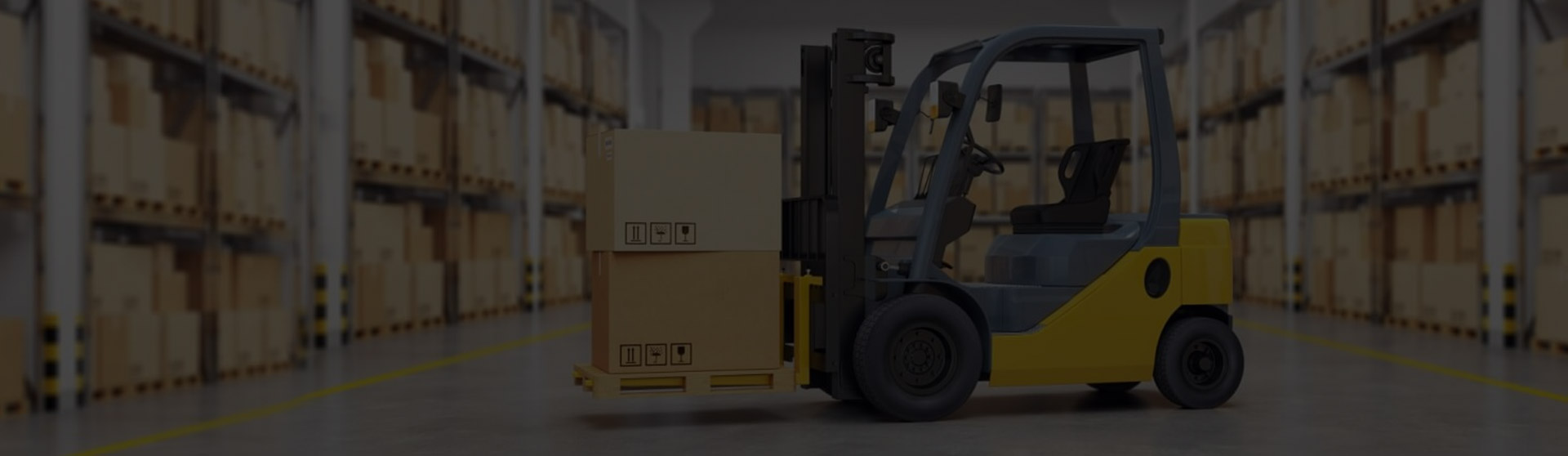

Forklifts are essential for moving heavy loads in warehouses, factories, and construction sites. However, operating a forklift safely requires more than just power and mobility — it requires a reliable brake system. But what exactly is a forklift brake system, and why is it so crucial for workplace safety and efficiency? In this article, we’ll explore what a forklift brake system is, its advantages, and the important factors to consider when using one.
Content
What is a Forklift Brake System?
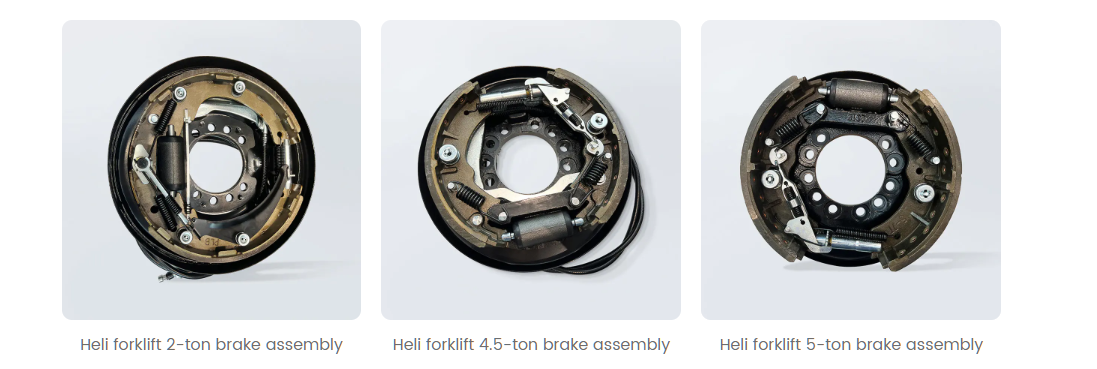
A forklift brake system is the mechanism that slows down or stops the movement of the forklift when necessary. It is one of the most important safety features on the vehicle, as it helps prevent accidents, collisions, and damage to goods. The brake system consists of several components, including the brake pads, hydraulic system, master cylinder, and brake lines, which work together to apply friction and stop the forklift from moving.
There are different types of forklift brake systems, including:
- Mechanical Brakes: These use cables or rods to transfer force from the brake pedal to the brake components.
- Hydraulic Brakes: These use hydraulic fluid to apply pressure to the brake components, which provides more power and precision.
- Pneumatic Brakes: Less common in forklifts, these use compressed air to apply force to the brake system, often seen in larger industrial vehicles.
Hydraulic brake systems are the most common in modern forklifts because they offer smooth and efficient braking capabilities, especially when handling heavier loads.
What Are the Advantages of a Forklift Brake System?
The forklift brake system is a vital part of maintaining both the safety and productivity of warehouse operations. Here are some key advantages of having a reliable brake system:
1. Enhanced Safety
Safety is the most significant advantage of a forklift brake system. Forklifts are often used to carry heavy loads at high speeds in busy environments. Without a reliable braking system, there would be a higher risk of accidents, such as collisions with other forklifts, employees, or racks. The brake system ensures that the forklift can come to a quick and controlled stop when necessary, minimizing the risk of accidents and injuries.
In warehouses with narrow aisles and tight spaces, precise braking becomes even more critical, as the ability to stop quickly can help avoid accidents with inventory or other workers.
2. Improved Load Control
When transporting heavy goods, controlling the forklift’s speed is crucial. An effective brake system allows the operator to slow down or stop in a controlled manner, preventing the load from shifting or toppling. This helps reduce the risk of product damage and ensures that the forklift remains stable even under heavy loads. It also prevents potential tipping accidents, which can occur if the operator cannot stop the forklift in time.
3. Long-Term Cost Efficiency
A well-maintained forklift brake system helps prolong the life of the forklift by preventing excessive wear on other components, such as the wheels and transmission. Regular braking system maintenance can prevent costly repairs down the line and keep the forklift running smoothly, reducing downtime and maintenance costs.
Additionally, effective braking reduces fuel consumption by making sure the forklift operates efficiently, which can lead to long-term savings for the business.
4. Increased Productivity
Forklifts with responsive brake systems allow operators to work more efficiently. With quick and reliable braking, operators can maneuver through busy work environments without delays. This reduces the time spent on unnecessary stops or adjustments, leading to improved workflow and higher productivity. Operators can also confidently handle more challenging environments, such as high-traffic areas or areas with limited space, knowing that the forklift will stop safely and quickly.
5. Compliance with Safety Regulations
In many regions, safety regulations require that forklifts be equipped with functional brake systems to ensure safe operation in workplaces. By ensuring the brake system is in good condition, businesses can comply with these regulations and avoid potential fines or liability issues. Regular brake system checks and maintenance are essential for meeting safety standards and protecting both workers and inventory.
What Should You Consider When Using a Forklift Brake System?
While forklift brake systems are essential for safety and efficiency, it’s crucial to ensure that they are properly maintained and used. Here are some important considerations when using a forklift brake system:
1. Regular Maintenance and Inspection
One of the most important things to consider when using a forklift brake system is regular maintenance. Over time, the brake pads can wear down, the hydraulic fluid may leak, or the brake lines can become damaged, which can compromise the braking performance. It is essential to inspect the brake system regularly, looking for any signs of wear or leaks, and replace components as necessary.
Scheduled maintenance, such as checking fluid levels, adjusting brake pads, and cleaning brake components, can help prevent unexpected failures and ensure the forklift is always ready to perform safely.
2. Proper Training for Operators
Forklift operators should be properly trained on how to use the brake system effectively. Understanding how to apply the brakes gradually, instead of slamming on them suddenly, can help prevent jerky movements that could damage the load or cause instability. Operators should also be trained on when and how to stop the forklift, especially in high-speed or high-traffic areas.
Proper driving techniques not only improve safety but also prolong the life of the forklift’s brake system.
3. Load Management and Speed Control
Brake systems can only do so much if the operator is not managing the load and speed appropriately. Overloading the forklift or moving too quickly with heavy loads can strain the brake system and lead to quicker wear. Operators should always follow the manufacturer’s guidelines for maximum load capacity and drive at safe speeds, especially when carrying heavy or bulky items.
4. Response to Brake Failure
Even with regular maintenance, brake systems can sometimes fail. In case of brake failure, operators should be trained on how to react quickly and safely. Forklifts are typically equipped with backup systems, such as emergency brakes or a hand brake, which can help stop the vehicle in the event of failure. Understanding how to use these systems and how to react when the brakes are not functioning can save lives and prevent accidents.
5. Environmental Factors
Environmental factors, such as dirt, moisture, and extreme temperatures, can affect the performance of the brake system. Forklifts operating in wet or dirty environments may experience faster wear on brake components due to the accumulation of debris. Regular cleaning and ensuring the forklift is kept in optimal operating conditions will help maintain the effectiveness of the brake system.
Conclusion: Why is a Forklift Brake System Crucial for Workplace Safety?
A forklift brake system is a fundamental component that ensures safe and efficient operation of forklifts in various industries. It offers enhanced safety, better load control, long-term cost savings, increased productivity, and compliance with safety regulations. However, to ensure the brake system works as intended, businesses must commit to regular maintenance, provide proper operator training, and manage loads and speeds effectively.
By maintaining a reliable and well-functioning forklift brake system, businesses can improve workplace safety, reduce operational risks, and enhance overall efficiency in material handling. Ensuring that the brake system is always in top condition is a key factor in keeping both employees and goods safe.
