
 English
 عربى
عربى
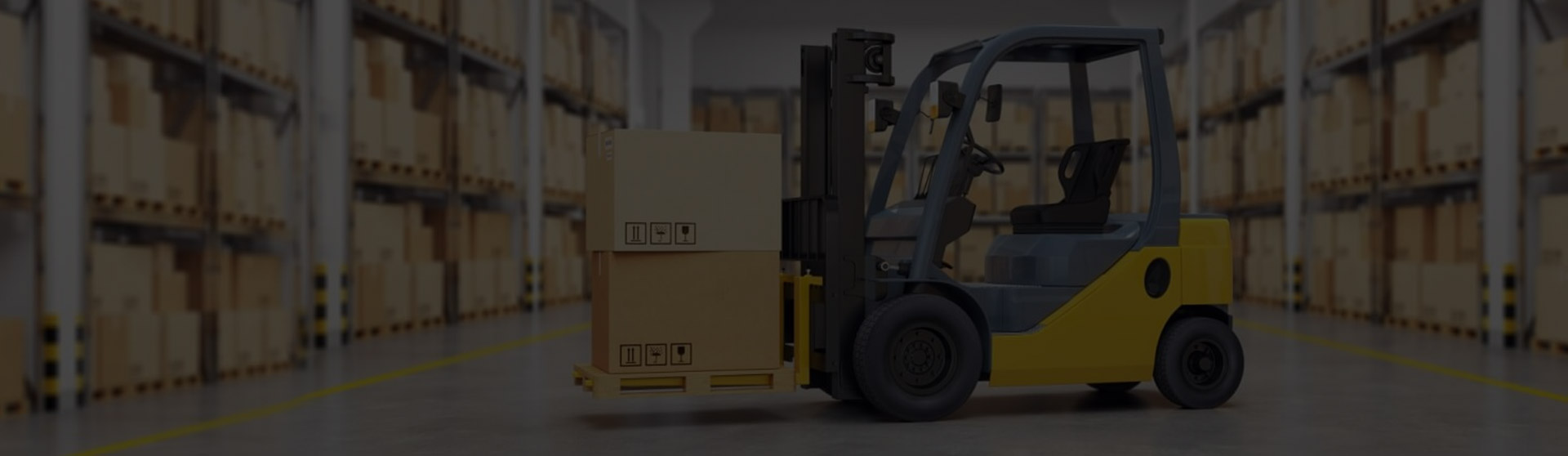

A forklift brake system plays a critical role in workplace safety, load control, and operational efficiency. In busy warehouses and industrial environments, reliable braking performance helps prevent accidents, protects operators, and ensures smooth material handling operations.
Content
What Is a Forklift Brake System?
Short Answer: A forklift brake system is a mechanical or hydraulic system designed to slow down, stop, and secure a forklift safely.
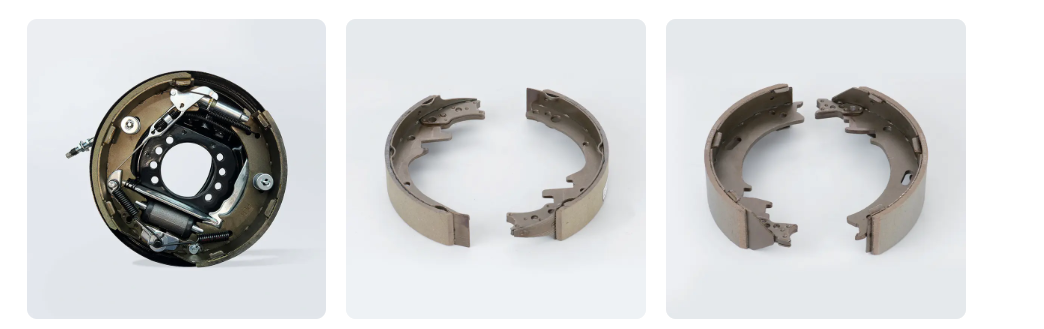
This system typically includes brake pedals, master cylinders, brake lines, friction components, and parking brake mechanisms. Together, these parts ensure controlled deceleration and stable stopping, even when carrying heavy loads or operating on inclined surfaces.
Why Is the Forklift Brake System So Important?
Short Answer: It prevents collisions, reduces tipping risks, and protects both operators and cargo.
Forklifts often operate in tight spaces with frequent stops and turns. A reliable forklift brake system improves response time and minimizes stopping distance. This not only enhances safety but also reduces equipment wear and maintenance costs over time.
- Improves operator safety
- Reduces accident risk
- Protects transported goods
- Extends equipment lifespan
How Does a Forklift Brake System Work?
Short Answer: It converts pedal pressure into braking force that slows the wheels through friction.
When the operator presses the brake pedal, hydraulic or mechanical force is transmitted to the brake components. These components create friction against rotating parts, reducing speed and bringing the forklift to a controlled stop. Parking brakes add an extra safety layer by locking the forklift in place when stationary.
Which Types of Forklift Brake Systems Are Common?
Short Answer: Drum brakes, disc brakes, and wet brake systems are the most widely used.
Different forklift applications require different braking technologies. Wet brake systems are popular in heavy-duty environments because they are sealed and resistant to dust and moisture. Disc brakes provide fast response and strong stopping power, while drum brakes remain cost-effective for standard operations.
The colorful bar chart below shows the popularity of forklift brake system types in industrial applications:
How Can You Maintain a Forklift Brake System Effectively?
Short Answer: Regular inspections, timely part replacement, and proper operator training are essential.
Routine maintenance helps identify worn components before failures occur. Checking brake fluid levels, inspecting pads or linings, and testing parking brakes can significantly reduce downtime and improve overall forklift performance.
FAQ: Forklift Brake System
Q1: How often should a forklift brake system be inspected?
Answer: Inspections should be performed daily by operators and thoroughly checked during scheduled maintenance intervals.
Answer: Inspections should be performed daily by operators and thoroughly checked during scheduled maintenance intervals.
Q2: What are common signs of brake system problems?
Answer: Reduced stopping power, unusual noises, vibration, and longer stopping distances indicate potential issues.
Answer: Reduced stopping power, unusual noises, vibration, and longer stopping distances indicate potential issues.
Q3: Can poor brake performance affect forklift productivity?
Answer: Yes, unreliable braking slows operations, increases safety risks, and raises maintenance costs.
Answer: Yes, unreliable braking slows operations, increases safety risks, and raises maintenance costs.
A high-performance forklift brake system is essential for safe, efficient, and reliable material handling operations in modern industrial environments.
