
 English
 عربى
عربى
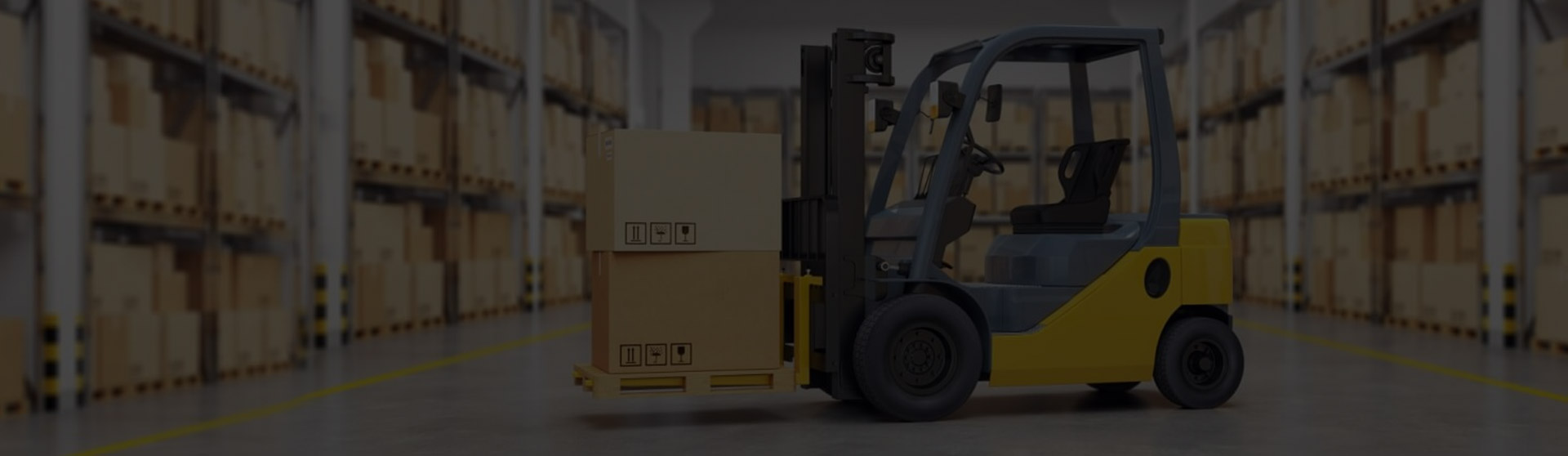

Yes. A high-quality forklift brake shoe directly determines stopping distance, load control, and overall operational safety. Poor or worn brake shoes can increase braking distance by more than 30%, raising accident risk and maintenance costs. Below, we explain how forklift brake shoes work, how to select the right type, and how they improve performance in real working environments.
Content
- 1 What Is a Forklift Brake Shoe and Why Is It Important?
- 2 How Does Brake Shoe Quality Affect Forklift Performance?
- 3 What Are the Main Types of Forklift Brake Shoes?
- 4 How Often Should Forklift Brake Shoes Be Replaced?
- 5 How Can the Right Brake Shoe Reduce Operating Costs?
- 6 FAQ About Forklift Brake Shoes
What Is a Forklift Brake Shoe and Why Is It Important?
A forklift brake shoe is a friction component installed inside the drum brake system. When the operator applies the brake pedal, the shoe presses outward against the brake drum, generating friction to slow or stop the forklift.
Core Safety Functions
- Controls braking force under heavy loads
- Maintains directional stability during deceleration
- Reduces rolling risk on ramps and slopes
- Protects brake drum from excessive wear
In warehouse environments, forklifts perform hundreds of braking cycles daily, making brake shoe reliability a critical safety factor.
How Does Brake Shoe Quality Affect Forklift Performance?
Brake shoe material and manufacturing precision directly impact braking efficiency and service life. High-friction linings improve stopping power while reducing heat buildup.
| Parameter | Standard Brake Shoe | High-Performance Brake Shoe |
|---|---|---|
| Stopping Distance | 100% | Reduced by 20–30% |
| Heat Resistance | Medium | High |
| Service Life | 8–12 months | 12–18 months |
Upgrading to high-friction brake shoes can lower downtime and reduce replacement frequency by up to 40%.
What Are the Main Types of Forklift Brake Shoes?
Different applications require different brake shoe materials. Selection should be based on operating conditions and load intensity.
- Organic lining brake shoes – quiet operation, moderate durability
- Semi-metallic brake shoes – high heat resistance and strong braking force
- Ceramic composite brake shoes – low dust and long service life
- Heavy-duty industrial brake shoes – designed for continuous high-load use
For cold storage warehouses or outdoor yards, semi-metallic brake shoes perform better in temperature extremes.
How Often Should Forklift Brake Shoes Be Replaced?
Replacement intervals depend on workload, driving habits, and operating environment. However, routine inspection is essential.
Common Replacement Indicators
- Brake lining thickness below 3 mm
- Reduced braking response
- Abnormal noise or vibration
- Uneven drum contact marks
Most forklifts require brake shoe inspection every 500 operating hours to prevent unexpected failures.
How Can the Right Brake Shoe Reduce Operating Costs?
Choosing the correct brake shoe improves energy efficiency and minimizes component wear.
- Lower drum replacement frequency
- Reduced maintenance labor hours
- Shorter braking distance prevents load damage
- Improved fuel or battery efficiency
Fleet operators report up to 15% annual maintenance cost savings after switching to longer-life brake shoe materials.
FAQ About Forklift Brake Shoes
How long does a forklift brake shoe typically last?
Under normal warehouse use, brake shoes last between 1,000 and 2,000 operating hours, depending on load frequency and driving conditions.
Can worn brake shoes damage other parts?
Yes. Excessively worn shoes can damage brake drums, increase heat buildup, and reduce overall braking efficiency.
Is it necessary to replace both sides at the same time?
Yes. Replacing brake shoes in pairs ensures balanced braking force and prevents uneven wear.
Are forklift brake shoes different from automotive brake shoes?
Yes. Forklift brake shoes are designed for heavier loads, lower speeds, and higher torque demands, making them structurally stronger and more durable.
