
 English
 عربى
عربى
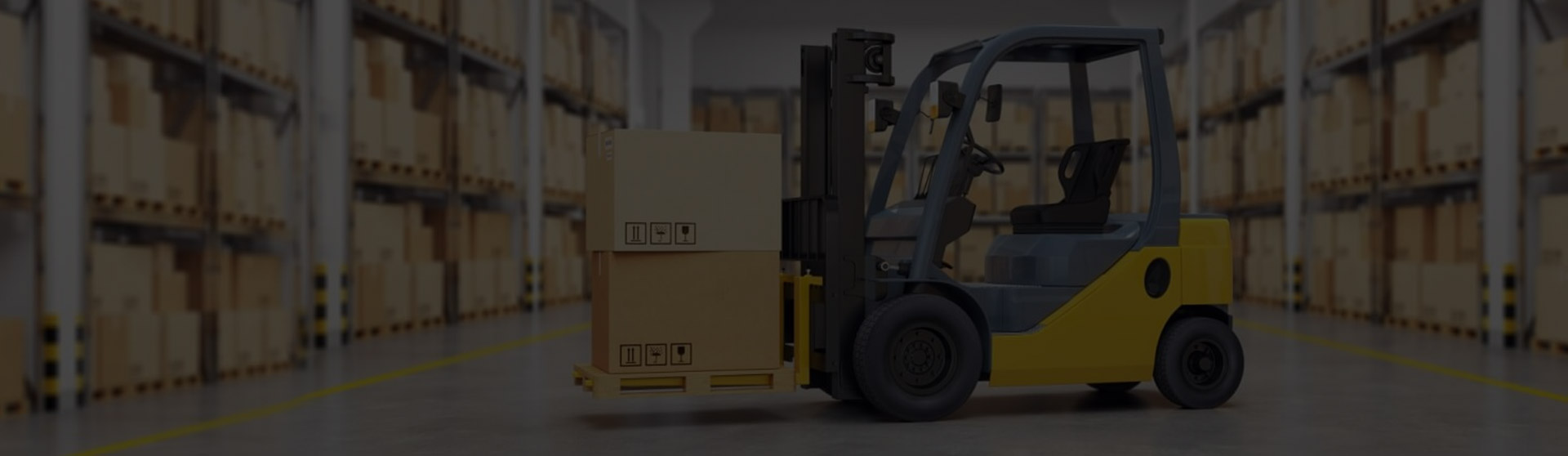

Forklifts, as indispensable handling equipment in warehousing, logistics, and manufacturing industries, rely heavily on the reliability of their key components for safety and stability. Forklift steel rims directly bear the weight of the entire vehicle and the cargo load, and, together with the tires, affect the forklift's driving stability, handling, and operational safety. Due to complex working environments and high usage frequency, forklift steel rims are prone to a series of problems during long-term use. If these problems are not detected and addressed promptly, they can pose significant safety hazards.
1. Rim deformation is one of the most common problems
Forklift steel rims are subjected to considerable static and dynamic loads over time, especially during full-load turns, sudden stops, or when driving on uneven surfaces. The rims are susceptible to impact stress. Prolonged overloading or frequent operation in complex conditions such as potholes and slopes can lead to deformation of the rim edges or the entire structure.
Once the rim is deformed, it can cause uneven tire wear, increased vibration, and affect the forklift's driving stability. In severe cases, it can even lead to tire detachment.
2. Cracks and fatigue damage accumulate gradually
During prolonged high-intensity use, forklift steel rims are constantly subjected to repeated stress cycles. This repeated loading can easily induce metal fatigue, gradually causing small cracks in the rim welds, bolt holes, or edges.
Initial cracks are often difficult to detect, but if use continues, the cracks will expand, eventually leading to structural failure of the rim. This type of fatigue damage is particularly important to consider for heavy-duty forklifts.
3. Bolt hole wear or loosening
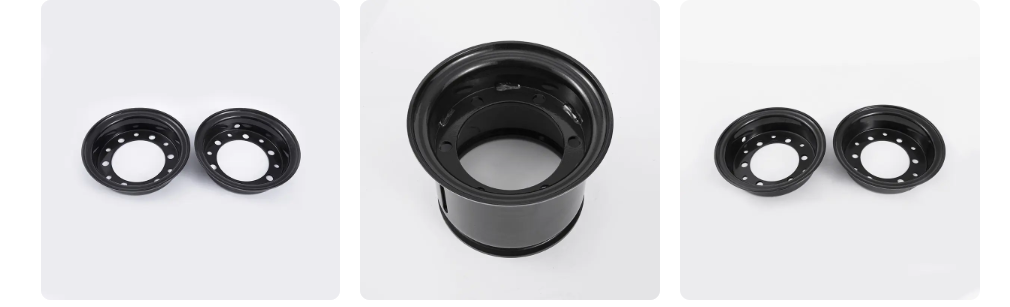
Forklift steel rims are connected to the wheel hub by bolts. During long-term operation, if the bolt pre-tightening force is insufficient, there is frequent vibration, or the installation is improper, the bolt holes are prone to wear or ovalization.
Once the bolt holes are worn, it will not only lead to insecure rim fixation but also cause abnormal noise and shaking during driving, increasing the risk of wear on other components and affecting overall vehicle safety.
4. Corrosion and Rust Issues
Forklifts are typically used in warehouses, docks, factories, or outdoor environments. Steel rims are constantly exposed to moisture, dust, chemicals, or salt spray, making them susceptible to corrosion and rust.
Rust not only affects the appearance of the forklift's steel rims, but more importantly, it weakens the metal strength, reducing the load-bearing capacity of the rims. For forklifts operating in high-humidity or corrosive environments for extended periods, the protection and inspection of the steel rims are crucial.
5. Poor Fit Between Steel Rims and Tires
With increased use, the edges of forklift steel rims may experience wear or localized damage, leading to a reduced fit with the tires. This poor fit can cause slight displacement of the tires during operation, accelerating tire wear and even increasing the risk of tire blowouts.
Especially when using solid tires or high-load pneumatic tires, the condition of the steel rims directly affects tire life and safety.
6. Decreased Dynamic Balance Performance
After prolonged use, if the steel rims experience slight deformation, localized wear, or accumulation of impurities, it may lead to decreased dynamic balance performance. This can cause noticeable vibrations during forklift operation, affecting not only driving comfort but also accelerating wear on the suspension system and bearings.
7. Comprehensive Impact on Overall Vehicle Operation
Forklift steel rim problems are often not isolated. Once the steel rims are in poor condition, they can have a chain reaction effect on the tires, hubs, bearings, and even the transmission system, increasing maintenance costs and downtime. In high-intensity operating environments, this hidden damage will gradually amplify, affecting overall operational efficiency.
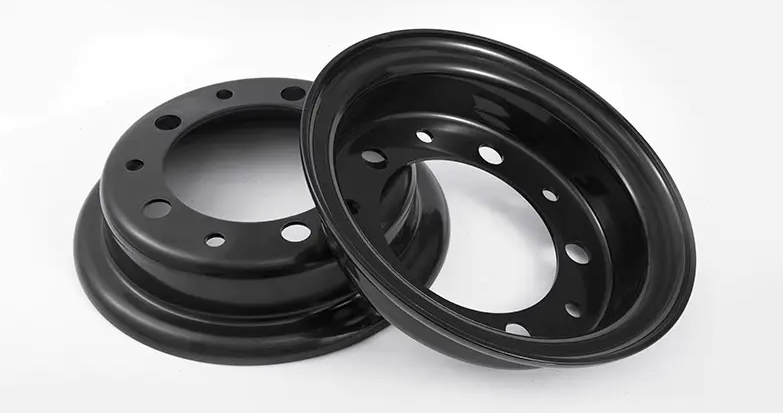
8. How to Reduce Risks Associated with Long-Term Use?
To reduce problems with forklift steel rims during long-term use, companies can take the following steps:
Avoid prolonged overloading and strictly use the forklift according to its rated load.
Regularly inspect the steel rims for deformation, cracks, or corrosion.
Ensure that bolts are installed correctly and retightened as required.
Strengthen protection and cleaning in corrosive environments.
Investigate the condition of the steel rims immediately if abnormal vibrations or noises are detected.
Forklift steel rims are prone to problems such as deformation, fatigue cracks, corrosion, and loosening of fasteners during long-term use. While these problems may not be obvious initially, once they develop to a certain extent, they can seriously affect the safety and service life of the forklift. Therefore, regular inspection and proper maintenance of forklift wheel rims are crucial measures to ensure stable forklift operation, reduce safety risks, and control maintenance costs.
