
 English
 عربى
عربى
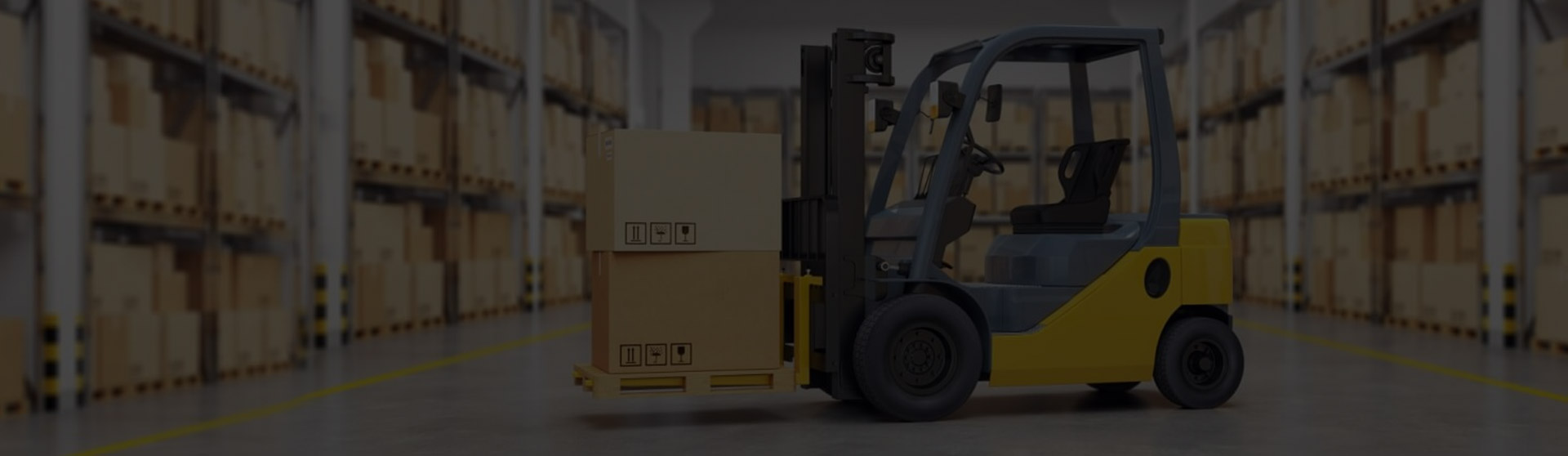

A faulty forklift brake cylinder typically reveals itself through soft or spongy brake pedal feel, visible fluid leaks, uneven braking force, and longer stopping distances. Identifying these signs early is critical — brake failure is one of the leading causes of forklift-related workplace injuries. This article walks through every key symptom, explains the underlying causes, and provides actionable guidance for maintenance teams and fleet managers.
Content
- 1 What Is a Forklift Brake Cylinder and Why Does It Matter?
- 2 Top Signs of a Faulty Forklift Brake Cylinder
- 3 Common Causes of Brake Cylinder Failure in Forklifts
- 4 Brake Cylinder Fault Frequency by Operational Environment
- 5 Recommended Inspection and Maintenance Schedule
- 6 Why Sourcing from a Reliable OEM Forklift Brake Cylinder Supplier Matters
- 7 Brake Cylinder Replacement vs. Rebuild: Key Considerations
- 8 Brake Cylinder Fault Trend Over Service Life
- 9 Frequently Asked Questions
What Is a Forklift Brake Cylinder and Why Does It Matter?
The forklift brake cylinder — which includes both the master cylinder and wheel (slave) cylinders — is the hydraulic heart of the braking system. When the operator presses the brake pedal, the master cylinder converts mechanical force into hydraulic pressure, which is transmitted through brake lines to the wheel cylinders, forcing brake pads or shoes against the drum or disc to slow or stop the vehicle.
In industrial settings, forklifts typically operate 6–8 hours per shift, sometimes across two or three shifts per day. This continuous load-cycle demand places extreme stress on brake components. A single compromised cylinder can reduce braking efficiency by 30–50%, putting operators, pedestrians, and inventory at risk.
| Component | Function | Failure Impact |
|---|---|---|
| Master Cylinder | Generates hydraulic pressure from pedal input | Total or near-total brake loss |
| Wheel Cylinder | Applies force to brake shoes/pads at each wheel | Uneven braking, pulling to one side |
| Piston Seals | Prevent fluid bypass inside the cylinder | Spongy pedal, internal leaks |
| Dust Boots | Protect cylinder from contamination | Corrosion, seal degradation |
Top Signs of a Faulty Forklift Brake Cylinder
1. Soft, Spongy, or Sinking Brake Pedal
One of the earliest and most recognizable symptoms is a pedal that feels unusually soft or travels closer to the floor than normal before engaging. This typically indicates air in the brake lines — often a result of internal cylinder seal failure allowing fluid to bypass the piston. In severe cases, the pedal may sink to the floor with no resistance, signaling near-complete hydraulic loss.
Benchmark: A properly functioning forklift brake pedal should engage within the first 30–40% of its travel range. Any engagement beyond 60% of travel warrants immediate inspection.
2. Visible Forklift Brake Cylinder Leak Symptoms
Forklift brake cylinder leak symptoms are among the most straightforward to identify during a pre-shift walkaround. Look for:
- Wet, oily residue around the master cylinder reservoir or wheel cylinder housing
- Fluid pooling or staining on the floor beneath the forklift's rear axle area
- Brake fluid on the inside of wheel rims or tire sidewalls
- A consistently low fluid level in the master cylinder reservoir despite recent top-ups
Even a minor leak of 1–2 ml per hour can deplete a standard brake fluid reservoir within a single shift, creating dangerous conditions without a visible dramatic failure.
3. Extended Stopping Distance
If operators report that the forklift takes noticeably longer to stop — especially under load — this is a red flag. A healthy forklift traveling at 8 km/h (5 mph) should stop within approximately 1.5–2 meters. A compromised brake cylinder can extend this to 3 meters or more, dramatically increasing collision risk in busy warehouse environments.
4. Pulling to One Side During Braking
When one wheel cylinder delivers less hydraulic pressure than its counterpart, braking force becomes uneven. The forklift will pull or drift toward the stronger-braking side. This symptom is particularly dangerous on ramps, loading docks, or narrow aisles where directional control is essential.
5. Brake Drag or Binding
A seized or partially stuck cylinder piston can cause the brakes to remain partially applied even when the pedal is released. Signs include:
- Unusual heat or smell from the wheel hub area after normal operation
- Increased fuel consumption (engine working harder against drag)
- Accelerated and uneven brake pad/shoe wear
6. Discolored or Contaminated Brake Fluid
Fresh hydraulic brake fluid is typically clear to light yellow. Dark brown or black fluid indicates oxidation and moisture contamination — a direct consequence of deteriorating cylinder seals. Contaminated fluid has a lower boiling point, increasing the risk of vapor lock under heavy-duty braking cycles. Fluid should be tested or replaced if its boiling point drops below 140°C (284°F) for DOT 3 fluid.
Common Causes of Brake Cylinder Failure in Forklifts
Understanding root causes helps in both prevention and faster diagnosis:
- Seal degradation: Rubber seals harden and crack over time, especially in high-temperature environments like foundries or cold-storage facilities with repeated thermal cycling.
- Corrosion: Moisture ingress — particularly in outdoor or humid settings — causes internal pitting of the cylinder bore, leading to seal damage and leaks.
- Contaminated fluid: Using the wrong fluid type or mixing fluid specifications degrades seals rapidly. Always verify the correct spec for your forklift model.
- Overloading: Repeatedly operating beyond rated capacity increases brake demand and accelerates cylinder wear.
- Deferred maintenance: Studies show that over 40% of forklift brake failures are directly linked to missed or delayed service intervals.
Brake Cylinder Fault Frequency by Operational Environment
The chart below illustrates how fault frequency varies across different operating conditions, based on aggregated industry maintenance data.
Figure 1: Brake cylinder fault frequency varies significantly with operating environment. Foundries and cold-storage facilities show the highest rates.
Recommended Inspection and Maintenance Schedule
Proactive maintenance significantly reduces the incidence of brake cylinder failure. The following schedule reflects best practices from OSHA forklift safety guidelines and industry maintenance standards:
| Interval | Inspection Task | Who Performs |
|---|---|---|
| Pre-shift (daily) | Pedal feel check, visual leak inspection, fluid level check | Operator |
| Every 250 hours | Brake line and cylinder housing inspection, fluid condition test | Certified Technician |
| Every 500 hours | Full cylinder teardown, seal replacement if worn, bore measurement | Certified Technician |
| Annually or per OEM spec | Complete brake system overhaul, fluid flush and replacement | Authorized Service Center |
Why Sourcing from a Reliable OEM Forklift Brake Cylinder Supplier Matters
When replacement is necessary, the quality of the replacement cylinder directly determines how long it performs before the next failure. Partnering with a qualified OEM forklift brake cylinder supplier ensures:
- Dimensional accuracy: OEM-spec cylinders are manufactured to exact bore tolerances (typically ±0.01 mm), ensuring proper seal fit and consistent pressure output.
- Material certification: Reputable suppliers use cast iron or aluminum alloy bodies with corrosion-resistant coatings, paired with high-temperature rubber seals tested to at least 175°C (347°F).
- Compliance traceability: OEM-grade parts include batch numbers and certifications that support fleet maintenance records and liability documentation.
- Warranty coverage: Quality OEM suppliers typically offer a minimum 12-month or 2,000-hour warranty, versus the often uncertified aftermarket alternatives.
Non-OEM cylinders may appear identical but are frequently machined to looser tolerances, using inferior seal compounds that degrade 3–4 times faster under industrial duty cycles. The cost of premature failure — in downtime, repairs, and safety liability — almost always exceeds the initial savings.
Brake Cylinder Replacement vs. Rebuild: Key Considerations
Not every brake cylinder failure demands full replacement. The decision depends on the condition of the cylinder bore and housing:
- Rebuild (reseal): Appropriate when the cylinder bore is smooth and within spec, with failure caused only by worn seals. Rebuild kits from a reliable OEM forklift brake cylinder supplier restore function at lower cost.
- Full replacement: Required when the bore shows pitting, scoring deeper than 0.05 mm, or corrosion damage that cannot be honed to within tolerance. Attempting to reseal a damaged bore will result in rapid re-failure.
Always measure bore diameter with a calibrated dial bore gauge before deciding. Most forklift wheel cylinder bores fall in the 19–32 mm range; consult your service manual for model-specific wear limits.
Brake Cylinder Fault Trend Over Service Life
The line chart below shows how the probability of brake cylinder fault increases as a forklift accumulates operating hours, based on fleet maintenance records across multiple warehouse operations.
Figure 2: Fault probability rises sharply after 2,000 operating hours, reinforcing the importance of proactive replacement schedules.
