
 English
 عربى
عربى
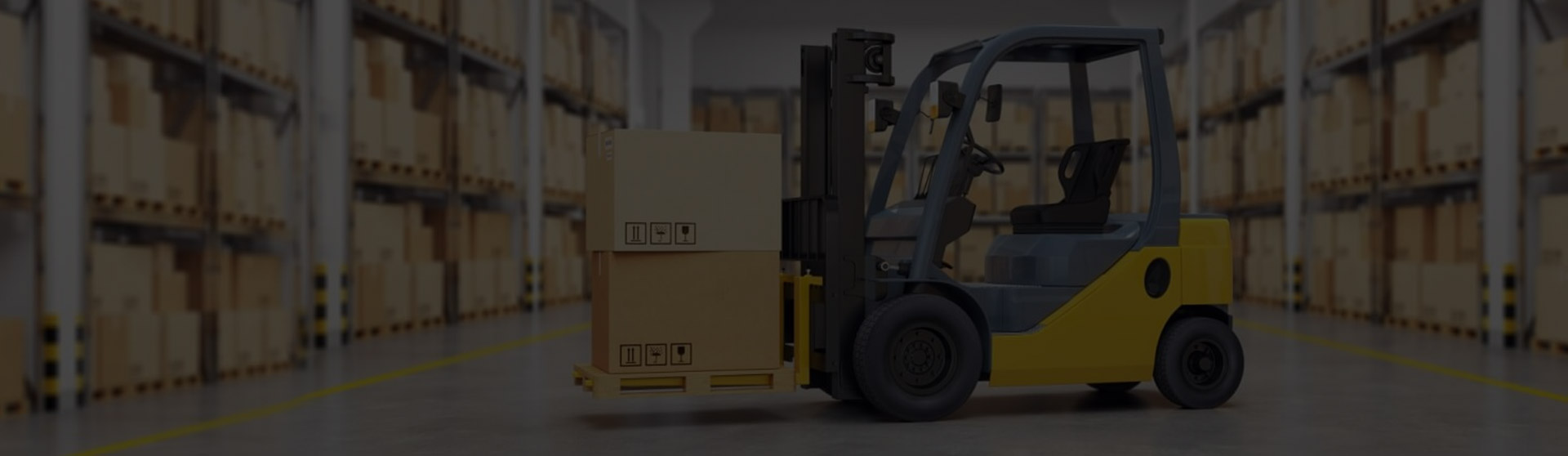

The direct answer: select your forklift steel rim by matching three parameters in order — rim diameter to the forklift's axle specification, rim width to the tire's recommended mounting width, and load rating to at least 110% of the forklift's rated capacity per wheel. Getting any one of these wrong results in either unsafe operation, accelerated tire wear, or rim failure under load. This guide walks through each selection step with specific measurements and explains the additional factors — bolt pattern, flange type, and material grade — that determine long-term reliability in 2026 industrial environments.
Whether you are sourcing replacement forklift wheel rims for an existing fleet or specifying rims for a new equipment build, the following framework applies to internal combustion and electric forklifts from 1 to 10 tonnes.
Content
- 1 Understanding Forklift Steel Rim Dimensions: What the Numbers Mean
- 2 Forklift Rim Size Reference by Equipment Capacity
- 3 Load Rating: Why 110% Is the Minimum Safety Margin
- 4 Steel Grade and Construction: What Separates Heavy Duty Forklift Wheels from Standard Rims
- 5 Pneumatic vs. Solid Tire Rims: Key Differences in Rim Selection
- 6 Inspection and Replacement Criteria for Forklift Wheel Rims in Service
- 7 About Hangzhou Shuaijia (Yifa) Forklift Parts Co., Ltd. and Zhuji Prebo Brake System Technology Co., Ltd.
- 8 Frequently Asked Questions
Understanding Forklift Steel Rim Dimensions: What the Numbers Mean
A forklift steel rim is described by a standardized size designation that encodes the critical fitment dimensions. A typical designation reads as: 15 × 5.00 – 4 hole, where the first number is the rim diameter in inches, the second is the rim width in inches, and the bolt circle and hole count follow. Understanding this notation prevents the most common sourcing mistake — ordering a rim with the correct diameter but the wrong width or bolt pattern.
Rim Diameter
The rim diameter must match the tire's inner bead diameter exactly. A 15-inch rim accepts only 15-inch bead tires. There is no tolerance here — a mismatch of even 0.5 inches makes mounting impossible or creates a dangerous unseated bead condition. Common forklift rim diameters are 12, 15, 16, and 20 inches, corresponding to light, medium, heavy, and very heavy duty applications respectively.
Rim Width
Rim width must fall within the tire manufacturer's recommended mounting width range for the selected tire section width. As a general rule, rim width should be 75–85% of the tire section width. For example, a tire with a 7.00-inch section width requires a rim width of 5.25–5.95 inches — a 5.00-inch rim is at the narrow limit and a 6.00-inch rim fits well within spec. Running a tire on an overly narrow rim causes sidewall bulging and accelerated shoulder wear; an overly wide rim stretches the bead and risks bead damage during inflation.
Bolt Pattern and Hub Bore
The bolt pattern is described as the number of bolt holes and the bolt circle diameter — for example, 4 × 114.3 mm means four holes on a 114.3 mm circle. This must match the forklift's hub exactly. Hub bore — the center hole diameter — must also match or be slightly larger than the hub pilot diameter to ensure proper centering. A mismatched hub bore causes vibration and uneven load distribution across the bolts.
Forklift Rim Size Reference by Equipment Capacity
The table below provides a practical reference for standard forklift wheel rim sizes by equipment capacity class. These represent the most common configurations in 1–10 tonne internal combustion and electric forklift applications. Always verify against your specific equipment's service manual before ordering.
| Capacity Class | Drive Axle Rim Size | Steer Axle Rim Size | Common Tire Size | Typical Bolt Pattern |
|---|---|---|---|---|
| 1–1.5 T | 12 × 3.75 | 12 × 3.00 | 5.00-12 / 4.00-12 | 4 × 100 mm |
| 1.5–2.5 T | 15 × 5.00 | 15 × 4.00 | 6.00-15 / 5.00-15 | 4 × 114.3 mm |
| 2.5–3.5 T | 15 × 6.00 | 15 × 4.50 | 7.00-15 / 6.00-15 | 6 × 139.7 mm |
| 3.5–5 T | 16 × 6.00 | 16 × 5.00 | 7.50-16 / 6.50-16 | 6 × 139.7 mm |
| 5–7 T | 20 × 7.00 | 20 × 5.50 | 8.25-20 / 7.50-20 | 8 × 170 mm |
| 7–10 T | 20 × 8.00 | 20 × 6.50 | 9.00-20 / 8.25-20 | 8 × 200 mm |
Note that drive axle rims and steer axle rims are specified separately. Drive axle wheels carry the primary load and use wider, heavier rims. Steer axle rims are typically narrower to allow steering geometry clearance. Never interchange drive and steer axle rims without confirming load rating compatibility.
Load Rating: Why 110% Is the Minimum Safety Margin
The load rating of an industrial steel rim must exceed the actual wheel load under maximum operating conditions — not just the forklift's rated lift capacity. Dynamic forces during acceleration, braking, and turning multiply the static load. A forklift rated at 3 tonnes may impose peak dynamic loads of 3.5–4.0 tonnes per drive wheel during hard braking on an uneven surface.
The 110% minimum safety margin accounts for these dynamic loads. For a 3-tonne forklift with two drive wheels sharing the load:
- Rated lift capacity: 3,000 kg
- Add equipment weight (typically 1.5–2× rated capacity): total operating weight approximately 7,500 kg
- Drive axle carries approximately 60–70% of total weight: 4,500–5,250 kg across two wheels
- Per drive wheel load: 2,250–2,625 kg static
- With 110% safety margin: minimum rim load rating required = 2,475–2,888 kg per rim
Always source rims with a load rating at or above the calculated value. Undersized rims deform under sustained overload — initially showing flange distortion and eventually cracking at the weld between the disc and rim barrel, which causes sudden tire deflation under load.
Steel Grade and Construction: What Separates Heavy Duty Forklift Wheels from Standard Rims
Heavy duty forklift wheels are not simply heavier versions of standard rims — they are built from higher-grade steel with different welding and heat treatment processes. Understanding these differences helps procurement teams avoid sourcing rims that look correct but underperform under sustained industrial use.
Steel Grade
Quality industrial steel rims for 3–10 tonne forklifts are manufactured from S355 or equivalent high-strength structural steel (yield strength 355 MPa minimum). Lower-grade rims may use S235 steel (yield strength 235 MPa) — acceptable for light-duty applications but inadequate for sustained heavy loads. The grade difference represents a 51% increase in yield strength, which directly determines resistance to permanent deformation under overload.
Disc-to-Barrel Weld Quality
The weld joining the center disc to the rim barrel is the highest-stress point in the assembly. Heavy duty forklift wheels use full-penetration MIG or submerged arc welds with post-weld heat treatment to relieve residual stress. Surface inspection should show a uniform weld bead with no porosity, undercut, or visible inclusions. Request weld quality certificates or ultrasonic testing reports from suppliers for safety-critical applications.
Surface Treatment and Corrosion Protection
Industrial environments expose rims to water, cleaning chemicals, road salts, and acidic floor treatments. Quality forklift steel rims are shot-blasted to Sa 2.5 cleanliness standard before receiving a zinc phosphate primer and powder coat or two-component epoxy topcoat. This system provides corrosion protection exceeding 500 hours in salt spray testing (ISO 9227). Bare or thinly painted rims corrode at the bead seat area, causing air leaks in pneumatic tire applications and rim-to-tire bonding failure in solid tire press-on applications.
Pneumatic vs. Solid Tire Rims: Key Differences in Rim Selection
Forklifts operate with either pneumatic (air-filled) tires or solid press-on tires, and the rim design differs significantly between the two. Selecting the wrong rim type for your tire type is a critical error that cannot be corrected in the field.
- Pneumatic tire rims have a drop-center or flat-base design with raised bead seats on each flange. The bead seat diameter must match the tire precisely. These rims require a valve stem hole and are designed to maintain air pressure. The flanges prevent bead rollover under cornering loads — flange height must match the tire's bead profile specification.
- Solid press-on tire rims (also called band-on or ring-on rims) have a smooth cylindrical outer surface without flanges. The solid tire is pressed onto the rim barrel using a hydraulic press — interference fit dimensions between the tire's inner diameter and the rim's outer diameter must be held to within ±0.2 mm for reliable retention. No valve hole is required.
- Polyurethane (PU) tire rims are a subset of press-on rims used in clean indoor environments. These rims often have a slightly different surface finish specification to optimize bonding with polyurethane compound.
When replacing rims on an existing forklift, always confirm the tire type in use before ordering. Pneumatic and solid tire rims of the same nominal diameter are not interchangeable.
Inspection and Replacement Criteria for Forklift Wheel Rims in Service
Knowing when to replace a forklift wheel rim is as important as selecting the right one. Continued service on a compromised rim creates safety risks and accelerates tire wear. The following inspection criteria apply at every tire change and during monthly equipment checks.
- Flange deformation: Any visible bending, cracking, or distortion of the rim flange indicates overload or impact damage. A deformed flange cannot maintain proper bead seating — replace immediately.
- Bead seat corrosion: Surface rust in the bead seat area (for pneumatic rims) or the press-on barrel surface (for solid tire rims) must be assessed. Light surface rust can be cleaned and treated; pitting deeper than 0.5 mm in the bead seat area warrants rim replacement.
- Weld cracking: Inspect the disc-to-barrel weld visually and by dye penetrant test if cracks are suspected. Any crack in the weld or surrounding heat-affected zone is cause for immediate replacement — weld cracks propagate rapidly under cyclic loading.
- Runout: Excessive radial or lateral runout (typically above 1.5 mm) causes vibration, uneven tire wear, and bearing stress. Measure runout with a dial indicator on a mounted, inflated assembly.
- Valve stem hole condition: On pneumatic rims, a deformed or corroded valve hole prevents proper valve stem seating and causes slow leaks. If the hole edge is no longer clean and round, the rim should be replaced.
About Hangzhou Shuaijia (Yifa) Forklift Parts Co., Ltd. and Zhuji Prebo Brake System Technology Co., Ltd.
Founded in 1998 and located in Hangzhou, Zhejiang Province, Hangzhou Shuaijia (Yifa) Forklift Parts Co., Ltd. is a professional enterprise engaged in the wholesale of forklift parts. The company owns more than 10,000 square meters of factory buildings with an inventory of over 20 million parts, specializing in the wholesale of 1–10 tonne internal combustion forklift parts and battery car accessories. The company has established a forklift parts branch in Shenyang for direct sales and provides professional distribution and after-sales service across its network.
Zhuji Prebo Brake System Technology Co., Ltd., established in 2009, is a professional China OEM Forklift Steel Rim Factory and ODM Forklift Steel Rim Supplier. The company has independently developed and produced a comprehensive range of forklift components including brakes, brake shoes, flexible shafts, hoses, high-pressure hoses, copper pipes, piston rods, springs, screws, wire harnesses, and over 10,000 varieties of accessories — integrating production, supply, and marketing under one operation. With more than 20 years of combined industry experience, the group serves domestic and international customers with high-quality products and responsive pre-sales and after-sales support.
